
️🌟 Physical Therapist Assistant (PTA) Associate Degree: Rapid Entry into the High-Demand Healthcare Industry in 2026
💰 Future salary: $50,000 – $75,000 per year
🎓 Clear licensure pathway | Strong national demand
Entering the healthcare industry no longer requires medical school or years of advanced education. In 2026, the Physical Therapist Assistant (PTA) Associate Degree has become one of the most efficient, regulation-aligned, and employment-ready pathways for Americans seeking a stable healthcare career.
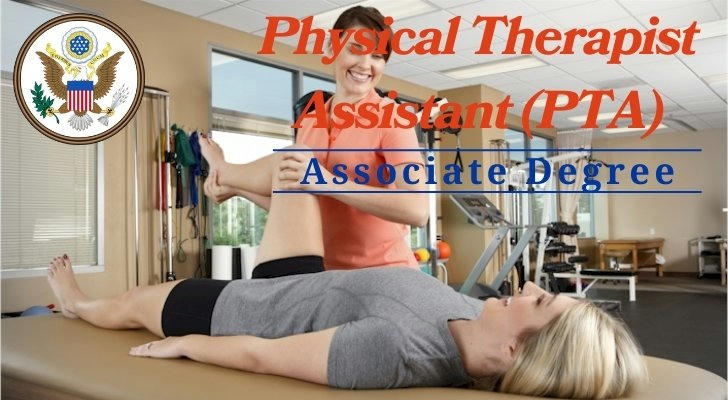
Across the United States, CAPTE-accredited PTA associate degree programs offered by community colleges and technical institutions prepare students for direct patient care roles under licensed physical therapists. These programs are built for real clinical environments, real licensing requirements, and real healthcare jobs — not academic theory.
🌟 Why Choose a Physical Therapist Assistant (PTA) Associate Degree?
✅ Rapid Entry into the High-Demand Healthcare Industry
Unlike Physical Therapist (DPT) programs that require 7+ years of education, PTA associate degrees are typically completed in about 2 years, making them one of the fastest licensed healthcare pathways.
Core training focuses on practical, job-ready competencies such as:
- Therapeutic exercise techniques
- Patient mobility and transfer assistance
- Rehabilitation equipment operation
- Anatomy, physiology, and kinesiology
- Clinical documentation and patient communication
- Safety, ethics, and infection control
The objective is clear: prepare graduates to function effectively in clinical settings from day one.
✅ Workforce-Aligned, Employer-Driven Training
PTA programs are developed in alignment with hospital systems, outpatient clinics, rehabilitation centers, and long-term care facilities.
Key advantages include:
- Curriculum designed to meet employer expectations
- Mandatory supervised clinical rotations
- Training in orthopedic, neurological, and geriatric rehabilitation
- Clear transition from classroom to patient-facing roles
Graduates commonly move directly into roles such as:
- Physical Therapist Assistant
- Rehabilitation Assistant
- Outpatient Therapy Support Specialist
✅ Nationally Recognized Licensure Pathway
Upon graduation, students from CAPTE-accredited programs are eligible to sit for the National Physical Therapy Examination (NPTE) for PTAs, which is required for licensure in all 50 states and Washington, D.C.
Licensure assessment evaluates competency in:
- Patient safety and ethical care
- Treatment implementation
- Clinical reasoning and documentation
- Professional conduct in healthcare environments
Choosing an accredited program is non-negotiable for employment eligibility.
🏥 Program Structure: What to Expect
Based on standard CAPTE-accredited PTA programs nationwide, training follows a hybrid academic + clinical model designed for licensing success and workforce readiness.
Typical Program Features
- Classroom instruction (science + theory)
- Hands-on laboratory training
- Supervised clinical internships
- Faculty-led skills assessments
- Emphasis on patient-centered care
Core Training Areas
- Therapeutic exercise and modalities
- Patient positioning and mobility
- Musculoskeletal and neurological rehabilitation
- Clinical measurements and vital signs
- Healthcare documentation standards
Programs are structured to mirror real rehabilitation workflows in hospitals and clinics.
👩⚕️ What Skills Will You Learn?
Graduates of PTA associate degree programs typically gain proficiency in:
- Assisting physical therapists with treatment plans
- Guiding patients through prescribed exercises
- Monitoring patient progress and response
- Using rehabilitation equipment safely
- Maintaining accurate clinical records
- Communicating effectively with patients and care teams
Training emphasizes consistency, patient safety, and compliance, which are critical in regulated healthcare settings.
🎯 PTA Careers by Age Group
Ages 18–25
Ideal for high school graduates seeking a fast, licensed healthcare career without a bachelor’s degree.
Ages 25–40
Well-suited for career changers moving into healthcare from service, fitness, or allied health backgrounds.
Ages 40–55
Often chosen by adults seeking stable employment, meaningful work, and clear licensure outcomes.
Ages 55+
PTA roles offer structured schedules and strong demand in outpatient and rehabilitation settings.
Healthcare demand for PTAs remains consistent across economic cycles and age groups.
👥 Who Should Apply?
Physical Therapist Assistant Associate Degree programs are a strong fit for:
- High school graduates
- Career changers entering healthcare
- Individuals interested in patient-facing clinical work
- Those seeking a licensed profession without a bachelor’s degree
🚀 Application Process
While requirements vary by institution, most programs follow a standard process:
- Apply to a CAPTE-accredited PTA program
- Meet prerequisite coursework requirements
- Complete academic and clinical training
- Pass the NPTE for PTA
- Obtain state licensure and begin employment
Many programs offer multiple start dates each year.
✅ Summary: A Practical Healthcare Career Path for 2026
In 2026, the Physical Therapist Assistant (PTA) Associate Degree stands out as one of the most reliable and efficient entry points into the U.S. healthcare workforce.
Through structured education and supervised clinical training, students can:
- Earn a nationally recognized license
- Access strong job growth and income stability
- Build a long-term career in rehabilitation and patient care
For individuals seeking fast entry, regulatory clarity, and real healthcare employment, the PTA associate degree is a proven and future-resistant choice.