
️👩⚕️🩺💉 Learn While You Earn: Paid LPN Training
💰 Paid Salary During Training: $23.75–$29.45 per hour
🎓 No College Degree Required | ✅ No Need To Worry About Tuition Fees
Starting a career as a Licensed Practical Nurse (LPN) does not always require years of unpaid schooling or large student loans. Across the United States, paid LPN training programs—often supported by healthcare employers, workforce agencies, and accredited institutions—allow qualified participants to earn income while completing practical nursing education.
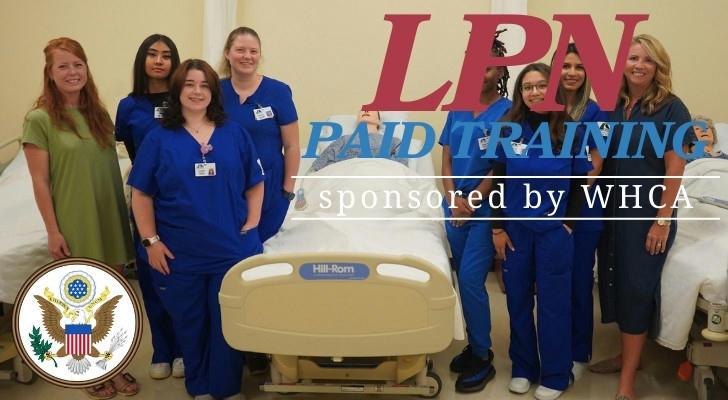
Through Washington Health Care Association (WHCA)-sponsored LPN programs, participants receive paid clinical training, structured classroom instruction, and eligibility to sit for the NCLEX-PN licensing exam, leading directly to long-term employment in hospitals, long-term care facilities, clinics, and rehabilitation centers.
🌟 Why Choose a Paid LPN Training Program?
✅ Earn While You Learn — Paid Clinical Experience
Unlike traditional nursing school models that require full-time unpaid study, paid LPN training programs place participants directly into healthcare environments.
Trainees may earn wages or stipends while completing:
- Supervised clinical rotations
- Hands-on patient care training
- Real-world nursing responsibilities under licensed RNs and physicians
You gain experience, professional exposure, and income—all during training.
✅ Workforce-Approved, Job-Focused Nursing Education
Most paid LPN programs are state-approved and workforce-aligned, typically completed in 12–18 months, depending on the program structure and state regulations.
Key advantages include:
- Curriculum aligned with employer demand
- Clinical hours completed in real healthcare facilities
- High job placement rates after licensing
- Clear transition into full-time LPN roles
Many graduates are hired directly by the same employer that supported their training.
✅ Nationally Recognized Nursing Credentials
Upon successful completion, participants become eligible for(Passed the exam):
- NCLEX-PN licensure (state-administered exam)
- State-issued Licensed Practical Nurse (LPN) license
- CPR / Basic Life Support (BLS) certification
- Clinical competency documentation
LPN licenses are widely recognized across states, subject to state board transfer rules.
🏥 Program Structure: Paid LPN Training Pathway
According to workforce-aligned nursing education models commonly used across the U.S., paid LPN programs follow a “learn while you earn” structure supported by healthcare employers and accredited education providers.
Core Features Include:
- Paid or stipend-supported clinical training
- Classroom instruction through approved nursing programs
- Supervised patient care experience
- Direct preparation for NCLEX-PN exam
Typical Training Content:
- Basic nursing skills and patient care
- Vital signs monitoring and documentation
- Medication administration (under supervision)
- Infection control and patient safety
- Medical terminology and anatomy
- Geriatric and long-term care nursing
🧠 What Skills Will You Learn?
Participants in paid LPN training programs typically develop skills in:
- Direct patient care and bedside support
- Assisting with daily living activities
- Administering medications as permitted by state law
- Monitoring patient conditions and reporting changes
- Maintaining accurate medical records
- Working within multidisciplinary healthcare teams
Training emphasizes job readiness, safety, and clinical accuracy, not abstract theory.
👥 LPN Training Opportunities by Age Group
Paid LPN programs are open to a wide range of applicants:
Ages 18–25
Ideal for individuals entering healthcare early without accumulating college debt.
Ages 25–40
Well-suited for career changers seeking stable income, benefits, and long-term demand.
Ages 40–55
Many bring transferable skills and move into senior LPN or specialty care roles.
Ages 55+
Structured schedules and supportive clinical roles make LPN training accessible for mature learners.
Healthcare needs continue to grow nationwide, making age a non-barrier in practical nursing careers.
📋 Who Can Apply?
Paid LPN training programs typically welcome:
| Applicant Type | Program Fit |
|---|---|
| High School Graduates | Entry-level pathway into healthcare |
| Career Changers | Transition into nursing without long unpaid schooling |
| Healthcare Aides | Advance from CNA or caregiver roles |
| Mature Learners | Structured, practical healthcare training |
Common Requirements:
- Be at least 18 years of age.
- Be a certified Nurse Assistant in good standing within the state of Washington
- Have completed the prerequisites outlined in the readiness checklist
- Have an interest in pursuing a career in long term care
- Located within commuting distance of Edmonds College
- Washington State resident
- Hard working, compassionate
- Patient-orientated
🚀 Application Process
Most paid LPN programs follow a structured enrollment process:
- Submit an online or employer-sponsored application
- Complete eligibility screening and assessments
- Attend an interview or information session
- Receive acceptance notification
- Begin paid training and clinical education
Timelines vary by state and employer, but many applicants receive responses within weeks.
✅ Summary: Start a Nursing Career Without Heavy Student Debt
Through paid LPN training programs, you can:
- Earn income while completing nursing education
- Gain real clinical experience from day one
- Obtain nationally recognized nursing credentials(Passed the exam)
- Transition directly into stable healthcare employment
No traditional college pathway required.
No Need To Worry About Tuition Fees.
Just a clear, workforce-approved route into one of America’s most essential and in-demand healthcare professions.
If you’re ready to work, learn, and earn — paid LPN training is a practical place to start.