
️⚡🛠️🧰Learn While You Earn: Electrician Paid Training(Government Support)
💰 Paid Salary During Training: $22–$27 per hour
🎓 No College Degree Required | ✅ No Need To Worry About Tuition Fees
Starting a career as an electrician doesn’t require a four-year college degree or expensive technical school tuition. Across the United States, government-supported and employer-sponsored electrician apprenticeship programs allow you to earn a paycheck while learning one of the most in-demand skilled trades in the country.
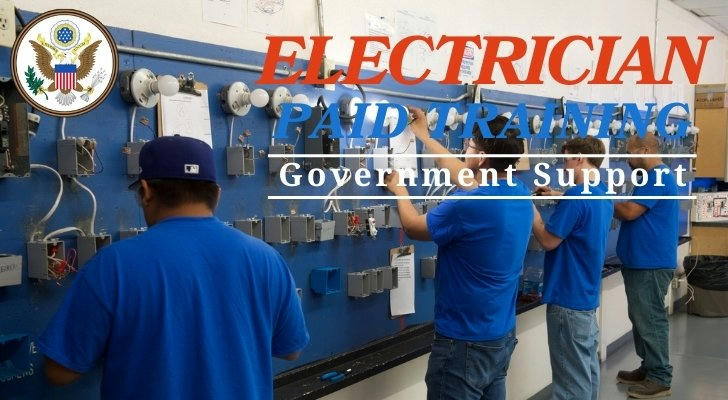
Through U.S. Department of Labor–registered electrician apprenticeships, participants receive paid on-the-job training, structured classroom instruction, and nationally recognized credentials that lead directly to long-term employment in residential, commercial, and industrial electrical work.
🌟 Why Choose a Paid Electrician Apprenticeship?
✅ Earn While You Learn — Paid From Day One
Unlike traditional trade schools, registered electrician apprenticeships place you directly with an employer. Apprentices earn hourly wages while learning under licensed journeyman electricians, gaining real-world experience on active job sites.
Training typically covers:
- Residential and commercial wiring
- Electrical panel installation
- Conduit bending and installation
- NEC (National Electrical Code) compliance
- Workplace and electrical safety
You work, you learn, and you get paid—starting day one.
✅ Workforce-Approved, Job-Focused Training
Most government-supported electrician apprenticeships run 3 to 5 years, combining paid work hours with formal instruction approved by federal and state workforce agencies.
Key advantages:
- Structured wage increases as skills advance
- Training aligned with real employer demand
- Clear pathway to journeyman electrician status
- High job retention after completion
Graduates are often hired full-time by the same employer that trained them.
🧰 Program Structure: Government-Registered Electrician Apprenticeship
According to Apprenticeship.gov, registered electrician apprenticeships follow a federally recognized “learn while you earn” model supported by public workforce supporting and industry partners.
Key Features Include:
- Paid employment from day one
- Progressive wage increases
- Classroom instruction combined with job-site training
- Clear path to journeyman and master electrician roles
Example Program Highlights:
- Paid on-the-job electrical training hours
- Classroom instruction through approved training centers or community colleges
- Residential, commercial, and industrial electrical systems
- Electrical troubleshooting, maintenance, and repair
- Blueprint reading and electrical schematics
Summary:
- $5,000 bonus at mid-completion of required hours.
- $5,000 at completion of required hours and program.
- $5,000 bonus for every 20 credit hours completed at Illinois Valley Community College.
- Full-time job offer at no less than $27/ hour at completion of program.
- Provide troubleshooting techniques and facilitates repairs of faulty equipment or systems.
- Possesses a working understanding of blueprint reading and how it pertains to his/ her specific job/ project responsibilities.
- Possesses the ability to provide field documentation (may include redline documentation) of As-Built documents for his/her work.
- Plans new or modified installations to minimize waste of materials, provide access for future maintenance, and avoid unsightly, hazardous, and unreliable wiring, consistent with specifications and local electrical codes.
- Prepares sketches showing location of wiring and equipment, or follows diagrams or blueprints, ensuring that concealed wiring/raceway are installed before completion of future walls, ceilings, and flooring.
- Fabricates support items for conduits, transformers, panelboards, disconnect switches and related items as needed for the project.
- Measures, cuts, bends, threads, assembles, and installs electrical conduit including EMT, GRC, PVC Coated GRC, PVC and Aluminum.
- Measures distance of, acquires, receives, stages as well as pre-plans the installation of placing the wiring through conduit for feeders, home runs and branch circuits etc.
👷 What Skills Will You Learn?
Participants typically receive training in:
- Residential and commercial electrical wiring
- Electrical panels, breakers, and circuits
- Conduit installation and layout
- Blueprint and electrical diagram interpretation
- NEC code compliance and inspections
- Electrical safety and hazard prevention
Training focuses on real job requirements, not academic theory.
🎯 Electrician Apprenticeships by Age Group
Paid electrician training programs are open to applicants across age ranges, each with unique advantages:
Ages 18–25
Ideal for entering the skilled trades early, avoiding college debt, and building a long-term electrical career.
Ages 25–40
Well-suited for career changers seeking stable income, strong benefits, and consistent demand across industries.
Ages 40–55
Focuses on reliability, technical precision, and specialization. Many move into lead electrician or supervisory roles.
Ages 55+
Structured schedules and safety-focused roles make apprenticeships suitable for maintenance, inspection, or support positions.
Electrician apprenticeships emphasize practical skills, steady income, and long-term employability—regardless of age.
👥 Who Can Apply?
| Applicant Type | Program Fit |
|---|---|
| Young Adults (18–25) | Start a trade career without college debt |
| Career Changers (25–45) | Transition into a high-demand skilled profession |
| Experienced Workers (45–60) | Add licensed electrical credentials |
| Mature Learners (60+) | Structured training with predictable schedules |
Most Programs Require:
- Legal authorization to work in the U.S.
- Ability to perform physical job tasks
- Basic math and safety comprehension
- No prior electrical experience required
🚀 Application Process
- Submit an online application
- Complete eligibility screening
- Attend an interview or aptitude assessment
- Receive acceptance notification
- Begin paid employment and electrician apprenticeship training
Timelines vary by state and employer, but many applicants receive responses within weeks.
✅ Summary: Build a Skilled Trade Career Without Student Debt
Through government-supported electrician apprenticeship programs, you can:
- Earn a paycheck while learning
- Develop job-ready electrical skills
- Secure stable, long-term employment
No college degree required. No Need To Worry About Tuition Fees.
Just a clear, proven pathway into one of America’s most essential skilled trades.
If you’re ready to work, learn, and earn — electrician training is a smart place to start.