
💅 Government-Supported Nail Technician Training in the U.S.: Education Aid and Career Outlook
Many individuals considering a career in nail care assume that professional training requires significant upfront tuition. In reality, a wide range of local and state-approved nail technician programs across the United States are supported by government-related education aid systems, including assistance administered through the U.S. Department of Education and workforce initiatives available in many regions.
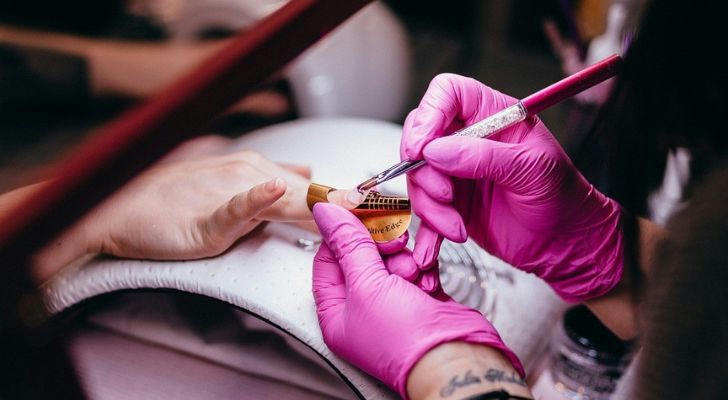
🎓 How Government-Supported Education Aid Applies to Nail Technician Training
Nail technician and cosmetology programs offered by accredited schools may qualify for education-based financial assistance recognized by federal and state-level authorities. When eligibility criteria are met, this support can help ease the economic burden of vocational training, especially for those enrolling in programs within their home state or local area.
Common forms of assistance may include:
- Federal student aid overseen by the U.S. Department of Education
- Need-based grants for qualifying applicants
- Institution-administered aid tied to approved local training programs
- Veteran education benefits for eligible service members
- State workforce development or vocational education funding available by location
💼 Why Government-Supported Training Models Attract Career-Focused Candidates
Government-supported nail technician training programs are designed for individuals seeking a structured and compliant pathway into a regulated profession, often within their own state or surrounding area.
Key characteristics include:
- Reduced reliance on personal savings, helping to address common financial burden concerns
- Curriculum frameworks aligned with state-specific licensing standards
- Supervised practice using professional equipment and materials
- Credentials issued by recognized educational institutions
- Direct alignment between education, certification, and local employment opportunities
💰 Employment Outlook and Earnings in the U.S. Nail Industry
Labor market data consistently shows steady demand for licensed nail technicians across the United States, particularly in high-density metropolitan areas and surrounding regions.
General employment observations include:
- Average hourly earnings are expected to commonly fall within the low-to-mid $20 range in the future
- Full-time annual earnings are projected to approach the $30,000 level in the future, before gratuities
- Local markets such as Los Angeles, New York City, and Miami tend to support higher income potential
- Long-term earning growth is influenced by client retention, service specialization, and regional pricing structures
🧠 Core Skills Developed Through Accredited Nail Technician Programs
Government-supported training emphasizes foundational competencies required for both licensing and local salon employment:
- Sanitation protocols and safety compliance
- Manicure, pedicure, and nail enhancement techniques
- Product knowledge and proper tool usage
- Client communication and service efficiency
- Time management within a professional workflow
Many programs also introduce practical business concepts, such as pricing awareness and repeat-client development, supporting long-term stability within the local market.

🏢 Why Employers Value Graduates of Supported Training Programs
Employers value graduates of accredited programs for their verified skills, licensing alignment, and readiness for salon work, which helps reduce onboarding time and compliance risks.
📝 General Application and Aid Review Process
While details vary by institution, government-supported nail technician programs typically follow a structured enrollment process, often coordinated at the state or local level:
- Application submission to an accredited training provider
- Review of eligibility for education-related financial assistance
- Completion of required documentation for aid assessment
- Enrollment confirmation and assignment of training schedules
Programs often maintain enrollment limits to ensure adequate supervision and instructional quality.
💬 Participant Experiences
Ashley, 31 — Phoenix, AZ
“After working in customer service, I enrolled in an accredited nail technician program with education-based financial aid. The structured training helped me complete licensing requirements and adjust smoothly to salon work.”
Danielle, 26 — Newark, NJ
“I chose a government-supported program because it followed state standards. The hands-on training made the licensing process clear and prepared me for real salon routines.”
🚀 A Regulated and Sustainable Entry into the Nail Care Profession
Government-supported nail technician training offers a practical route into a licensed, service-based career, particularly for individuals seeking opportunities within their own state or nearby communities. By combining education aid, formal instruction, and workforce alignment, these programs help address financial burden concerns while building job-ready skills.
Supported by consistent demand across the personal care sector, nail technology remains a vocation where certification, experience, and compliance directly influence long-term employment stability at the local level.