
️🏥🧼 12-Week Central Sterile Processing Technician Course: The Best Way to Obtain a Globally Recognized Certification and Enter the Healthcare Industry (USA)
In 2026, as hospitals and healthcare systems continue to face staffing shortages and stricter safety requirements, central sterile processing technicians are increasingly viewed as essential frontline healthcare professionals.For individuals in the United States seeking a practical and regulation-aligned entry into the healthcare industry—without committing to years of college education—Central Sterile Processing Technician (CSPT) training programs have become one of the most reliable pathways.
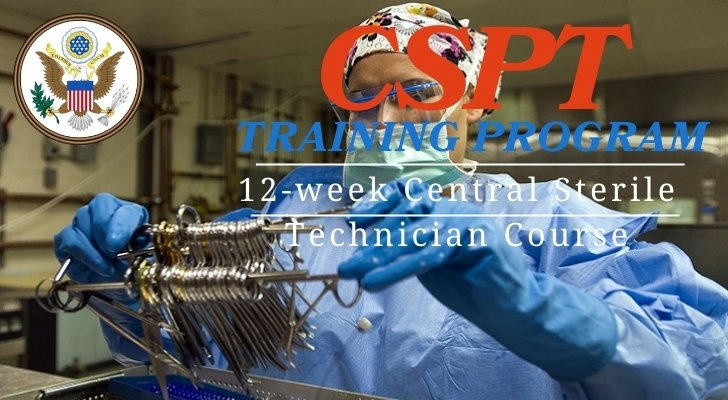
Unlike traditional healthcare degree programs that require long study periods and high tuition costs, short-term, workforce-supported sterile processing courses focus on job-ready skills, compliance training, and recognized certifications that hospitals rely on nationwide.
💡 What Is a Central Sterile Processing Technician Course?
Central Sterile Processing Technician courses are structured healthcare training programs designed to prepare individuals for roles responsible for the cleaning, sterilization, assembly, and distribution of medical instruments used in hospitals and surgical centers.
These programs typically include:
- Instruction aligned with hospital and infection-control standards
- Supervised hands-on training in clinical or simulated environments
- Documented training hours and competency assessments
- Curriculum mapped to recognized sterile processing certifications
- Oversight by workforce development organizations or healthcare partners
Many programs operate within public workforce initiatives or nonprofit healthcare training frameworks, ensuring credibility and employer recognition.
🏛️ Workforce & Public Support — Why It Matters
Programs connected to workforce development organizations or public health initiatives help ensure training quality and employment relevance.
Such programs commonly offer:
- Curriculum aligned with hospital staffing needs
- Compliance with healthcare safety regulations
- Employer-recognized outcomes
- Direct connections to healthcare facilities
This structure ensures participants are trained to real hospital standards.
🌍 Globally Recognized Certification: A Key Advantage
A major benefit of sterile processing training is the global relevance of certification pathways.
Graduates are typically prepared for certifications such as:
- CBSPD (Certification Board for Sterile Processing and Distribution)
- HSPA / CRCST (Certified Registered Central Service Technician)
These credentials are:
- Recognized by hospitals across the United States
- Accepted by international healthcare employers
- Portable across states and healthcare systems
- Essential for long-term career growth
📊 Job Outlook (U.S. Sterile Processing Roles)
Healthcare workforce data indicates stable and growing demand for sterile processing technicians.
- Typical program length: ~12 weeks
- Entry-level pay: ~$18–$25/hour (varies by region)
- Annual earnings: commonly $38,000–$55,000+
- Work settings: hospitals, surgical centers, outpatient clinics
Sterile processing is required for every surgical procedure, making it a recession-resistant healthcare role.
🧼 What Skills Are Typically Covered?
Most Central Sterile Processing Technician courses include training in:
- Decontamination and cleaning of surgical instruments
- Sterilization methods and equipment operation
- Assembly and inspection of surgical trays
- Infection prevention and control procedures
- Instrument tracking and documentation
- Compliance with hospital safety standards
Training emphasizes precision, accountability, and patient safety.
👥 Who Chooses Central Sterile Processing Training?
These programs appeal to individuals seeking healthcare access without long education timelines, including:
- First-time healthcare workers
- Career changers from service or industrial roles
- Adult learners seeking stable hospital employment
- Individuals preferring behind-the-scenes healthcare roles
- Workers interested in certification-based advancement
Because programs are short-term, they are often seen as a low-risk entry into healthcare.
👤 Age Groups and Common Motivations
Ages 18–24
A fast pathway into healthcare with nationally recognized credentials.
Ages 25–34
Popular among career changers seeking stability and benefits.
Ages 35–44
Chosen by those transitioning into regulated healthcare professions.
Ages 45 and Above
Appeals to individuals seeking structured, reliable hospital-based roles without bedside care demands.
📝 How to Apply
Applying for a Central Sterile Processing Technician course is usually straightforward.
Typical steps include:
- Locate an approved or workforce-supported training provider
- Confirm eligibility (18+, authorized to work in the U.S.)
- Submit an application
- Complete a brief interview or screening
- Begin training after acceptance
Many applicants receive a response within a few weeks.
📈 Why Demand Is Growing in 2026
Demand for sterile processing technicians continues to rise due to:
- Increased surgical volume nationwide
- Stricter infection-control regulations
- Ongoing healthcare staffing shortages
- Employer preference for certified technicians
Sterile processing is now viewed as a long-term healthcare career path, not a temporary role.
🏥 Featured Training Example: Central Sterile Processing Programs
Organizations such as JVS Boston provide structured Central Sterile Processing Technician training programs designed to help participants gain job-ready healthcare skills in a short timeframe.
These programs typically focus on:
- Industry-aligned sterile processing instruction
- Hands-on training aligned with hospital standards
- Preparation for nationally recognized certification exams
- Employment-focused outcomes
They demonstrate how workforce-supported healthcare training can create direct pathways into hospital employment.
✅ Key Takeaways
Central Sterile Processing Technician courses offer a practical entry into healthcare by providing:
- Short-term, focused training (often ~12 weeks)
- Preparation for globally recognized certifications
- Strong alignment with hospital hiring needs
- Clear pathways into long-term healthcare employment
For Americans in 2026 seeking a stable healthcare career without long academic commitments, sterile processing training represents one of the most efficient and responsible ways to enter the healthcare industry.