
Dental Implant Services in Your Area: A Smart Choice for Adults Aged 55 and Above
Missing teeth can reduce chewing ability, lower self-confidence, and affect overall health. Dental implants provide a stable, durable, and natural-looking long-term solution, which is why more Canadian adults aged 55 and above are actively seeking local implant services. This guide explains how to find reliable dental implant services in your area, what to verify before booking an appointment, and how to plan treatment costs in a practical and informed way.
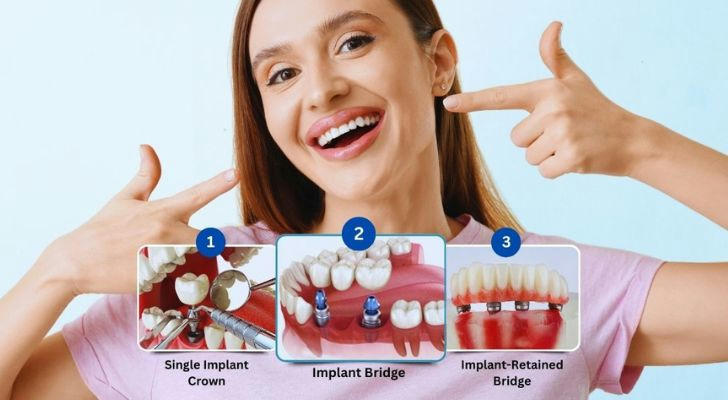
🔹 Key Takeaways
Age alone is rarely a limiting factor for dental implant treatment. Suitability usually depends on overall health, gum condition, and jawbone density. Many adults aged 55 and above who successfully manage chronic conditions and choose clinics that use digital planning technologies (such as 3D imaging and computer-guided treatment planning) often achieve stable and long-lasting implant results.
Canadian dental service directories, such as WhatClinic, typically provide listings of local clinics, patient reviews, treatment descriptions, and common financing options. These tools can help patients compare and evaluate implant providers more efficiently.
🔹 What to Verify Before Booking an Appointment
✔ Confirm the Clinician’s Qualifications
Look for dentists or oral surgeons who have specialized training in implant dentistry or oral and maxillofacial surgery. Many directory platforms display practitioner credentials, certifications, and treatment history.
✔ Request a Written Treatment Plan
Reputable clinics usually provide a detailed treatment plan that outlines:
- Surgical stages and treatment timeline
- Expected recovery process
- Post-treatment maintenance and follow-up visits
- Complication management procedures
Having a written plan helps patients clearly understand the process and reduces uncertainty.
✔ Confirm Medical Coordination
Patients with chronic conditions such as diabetes, cardiovascular disease, or osteoporosis should confirm that the clinic is willing to coordinate with their family physician and provide medical clearance if required.
✔ Review Senior-Specific Services
Many Canadian implant clinics offer services designed for older adults, including:
- Comprehensive treatment packages (surgery, restoration, and follow-up care)
- Transportation or accessibility guidance
- Clear maintenance programs and warranty policies
These services can improve both safety and convenience.
🔹 Recommended Considerations by Age Group
| Age Group | Typical Priorities | Practical Tips |
|---|---|---|
| 55–64 | Functionality, durability, and aesthetics | Compare restorative materials and evaluate long-term maintenance costs |
| 65–74 | Chronic disease management | Ensure medical stability and choose clinics experienced in senior patient care |
| 75+ | Recovery time and ease of maintenance | Consider staged implant treatment or implant-supported overdentures if appropriate |
🔹 Major Canadian Cities — What Local Directories Typically Show
Based on publicly available information from Canadian dental implant directories such as WhatClinic, clinic listings often include the following patient resources:
Toronto
Listings typically include a large number of implant providers. Clinic pages often highlight patient reviews, packaged implant treatment plans, financing or installment payment options, and online consultation availability.
Vancouver
Commonly features multiple specialized clinics. Listings often describe implant technology, treatment workflows, staged treatment plans, and promotional financing options.
Montreal
Many clinics provide bilingual service descriptions. Listings frequently include treatment packages, patient feedback, and appointment scheduling options.
Calgary
Directory listings typically display clinic specialties, number of patient reviews, and available payment or financing methods.
Ottawa
Listings generally include multiple implant providers and highlight consultation booking procedures, treatment explanations, and patient experience reviews.
Note: Directory websites primarily provide general clinic overviews such as patient resources, package services, and financing options. Specific pricing, promotional offers, and warranty policies usually require direct written confirmation from each clinic.

🔹 How to Search for Implant Services in Your Area
When searching for local implant services in Canada, directory platforms typically provide:
- Clinic location and contact information
- Treatment descriptions
- Patient ratings and reviews
- Online appointment booking
- Financing or payment plan information
These platforms help patients efficiently compare providers and evaluate treatment options.
🔹 Practical Financing and Cost-Reduction Strategies
Patients should still carefully verify details. Recommended steps include:
- Reviewing transparent installment payment plans
- Exploring medical financing programs offered through reputable lenders
- Considering treatment packages that include post-treatment maintenance services
Always request detailed written quotations and contracts to avoid unclear or unexpected costs.
🔹 Aftercare and Long-Term Outlook
The long-term success of dental implants often depends on:
- Maintaining proper oral hygiene
- Attending regular dental check-ups
- Maintaining overall health and chronic disease control
Patients should confirm expected follow-up schedules, emergency contact procedures, and daily maintenance guidance specifically designed for older adults.
🔹 Quick Checklist Before Booking
- Obtain a written treatment plan including full timelines and aftercare responsibilities
- Verify clinician credentials and experience treating older adults
- Confirm financing options or package treatment details and request written terms
- Arrange transportation and caregiving support if mobility is limited
🔹 Conclusion
For Canadians aged 55 and above, local dental implant services have become more widely available and standardized. By using directory platforms to research clinics, verifying clinician qualifications, obtaining written treatment plans, and planning treatment costs carefully, patients can make more confident healthcare decisions.
Access to practical and verifiable information plays a key role in supporting long-term oral health and overall quality of life.