
Dental Implant Services in Your Area: A Practical Guide to Making Smart and Cost-Effective Choices
As people age, tooth loss is not uncommon among adults in the United States. Modern dental implant technology has become an important option for restoring chewing ability, improving speech, and boosting confidence. This guide is compiled based on publicly available information about dental implant services in the United States. It focuses on local dental implant service selection, real cost ranges, financing options, and recommendations for different age groups, helping U.S. residents make rational and cost-effective decisions when considering dental implants.

🔹What Are Dental Implants and How Do They Work?
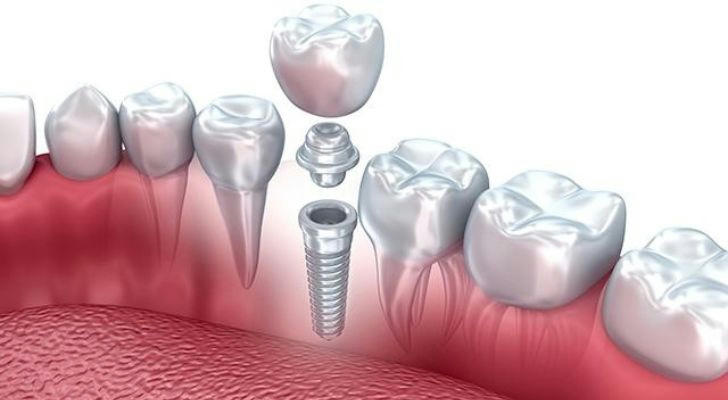
Dental implants are a restorative method that replaces missing tooth roots by placing titanium implants into the jawbone. After the implant integrates with the bone, an abutment and crown are installed, forming a stable structure that functions similarly to natural teeth.
The complete treatment process usually includes:
- Oral examination and 3D imaging assessment (such as CBCT scans)
- Implant placement surgery
- Osseointegration phase (typically 3–6 months)
- Placement of abutment and crown or denture
Modern research shows that with proper care, dental implants often have a high survival rate beyond ten years, making them one of the most stable long-term restoration options.
🔹Who Is a Suitable Candidate for Dental Implants?
In U.S. clinical dental practice, age is rarely the main limiting factor. The key evaluation factors include:
✔ Overall Health Condition
- Whether diabetes is well controlled
- Cardiovascular disease management
- Immune system condition
✔ Bone Structure
Adequate bone volume is required to support implants. If insufficient, bone grafting procedures may be needed.
✔ Medication Effects
For example:
- Bisphosphonate medications
- Anticoagulant medications
✔ Lifestyle Habits
- Smoking can reduce implant success rates
- Oral hygiene directly affects long-term stability
In most cases, with comprehensive evaluation and planning, older patients achieve treatment success rates similar to younger patients.
🔹Typical Dental Implant Cost Reference in the United States
According to U.S. dental implant guides and healthcare cost data, the following are publicly available cost ranges:
| Treatment Type | Typical Contents | Average U.S. Price Range |
|---|---|---|
| Single Tooth Implant | Implant + Abutment + Crown | Approximately $4,000 – $5,000 |
| Implant-Supported Bridge | Replacement of multiple adjacent teeth | Approximately $10,000 |
| Full-Arch Implants (All-on-4) | Fixed full-arch restoration | Approximately $17,500 – $25,000 |
Possible Additional Costs
- Tooth extraction
- Bone grafting or augmentation
- Sinus lift procedures
- Sedation anesthesia
- Advanced imaging
Actual prices often vary based on:
- City and regional healthcare costs
- Dentist experience and specialization
- Implant system brand used
- Complexity of individual oral condition
🔹How to Reduce the Financial Burden of Dental Implants?
Common cost-management strategies used by U.S. patients include:
✔ Dental Insurance
Most insurance plans may:
- Cover crowns or certain preparatory procedures
- Rarely cover the full implant procedure
Patients are advised to request pre-authorization and confirm reimbursement percentages.
✔ Medical Financing Plans
Common options include:
- CareCredit healthcare financing
- In-office payment plans
Interest rates and repayment terms vary, so comparing APR and payment schedules is important.
✔ Dental Schools or Teaching Hospitals
Advantages:
- Treatment costs are usually lower
- Procedures are supervised by experienced specialists
Disadvantages:
- Treatment duration may be longer
🔹Dental Implant Service Characteristics in Major U.S. Cities
🏙 New York Area
Features:
- Digital treatment planning is widely used
- CBCT imaging and in-house laboratories
- Flexible appointment scheduling
Best suited for: Patients seeking highly customized treatment plans
🌴 Los Angeles Area
Features:
- Multidisciplinary treatment teams
- CAD/CAM prosthetic technology
- More options for immediate-load implants
Best suited for: Patients hoping to shorten treatment timelines
🌆 Chicago Area
Features:
- Emphasis on functional and restorative outcomes
- Use of internationally recognized implant systems
- Frequent new patient consultation discounts
Best suited for: Patients focused on restoration quality and long-term durability
🌇 Houston Area
Features:
- Collaboration between periodontists and oral surgeons
- Strong experience with bone grafting and complex cases
- Multiple financing options available
Best suited for: Patients with limited bone volume or complex oral conditions
🌉 San Francisco Area
Features:
- Access to university-affiliated dental centers
- Fully digital treatment workflows
- Widespread availability of All-on-4 solutions
Best suited for: Patients interested in advanced technology and academic medical resources
🔹Dental Implant Recommendations by Age Group
| Age Group | Common Needs | Recommended Strategies |
|---|---|---|
| 55–64 | Long-lasting and natural appearance | Develop comprehensive restoration plans and compare multiple treatment options |
| 65–74 | Increased risk of chronic diseases | Coordinate with primary care physicians to assess surgical safety |
| 75+ | Recovery time and medication interactions are critical | Consider implant-supported overdentures or simplified surgical approaches |
🔹How to Choose the Right Local Dental Implant Team?
Patients are encouraged to evaluate the following:
✔ Experience treating older implant patients
✔ Availability of CBCT 3D imaging
✔ Use of guided implant surgery
✔ Provision of detailed written treatment estimates
✔ Availability of long-term maintenance programs
Professional teams often provide multidisciplinary collaboration, including:
- Oral surgeons
- Restorative dentists
- Periodontists
🔹Important Considerations During Treatment and Recovery
Older patients often require stricter post-operative care:
- Follow prescribed antibiotic and anti-inflammatory protocols
- Avoid early chewing pressure during healing
- Schedule regular follow-up visits to monitor osseointegration
- Maintain consistent oral hygiene
Patients with chronic conditions may experience longer healing times.
🔹Alternative Treatment Options to Dental Implants
✔ Removable Dentures
Advantages: Lower cost
Easy to adjust
Disadvantages: Less stability
✔ Implant-Supported Overdentures
Advantages: Significantly improved stability
Requires fewer implants
✔ Fixed Dental Bridges
Suitable for: Patients with healthy adjacent teeth capable of supporting bridge structures
Each option varies in cost, function, and maintenance requirements. Patients should discuss lifespan expectations and follow-up care needs with their dentist.
🔹Questions to Ask During Your Consultation
- Which implant system and brand will be used?
- Will specialists be involved in the procedure?
- Does the quote include imaging, grafting, and follow-up visits?
- Does the clinic have documented success cases for patients aged 55 and older?
🔹Quick Frequently Asked Questions
Are dental implants suitable for people aged 55 and older?
In most cases, yes. As long as medical clearance is obtained and bone density is sufficient, implants can be a viable solution.
How much does a single dental implant cost in the U.S.?
Published clinical guides indicate that a full single implant package typically costs between $4,000 and $5,000, though complex cases may cost more.
🔹Final Practical Decision Checklist
✔ Obtain a detailed written treatment plan
✔ Confirm stability of chronic medical conditions
✔ Compare insurance coverage and financing plans
✔ Choose a team experienced in senior care and long-term maintenance
Modern dental implant technology continues to evolve, with innovations such as digital navigation surgery and AI-assisted prosthetic planning becoming more widely adopted. Looking ahead, implant treatments are expected to become more precise, minimally invasive, and personalized, while automation may gradually improve overall cost efficiency.