
⚡ Government-Funded Energy Assistance for Electricity and Gas Suppliers
Rising electricity and natural gas costs can place significant pressure on households across the United States, especially during periods of extreme weather or economic uncertainty. To help address these challenges, the federal government supports a range of energy assistance programs designed to help eligible households manage utility expenses and maintain access to essential electricity and gas services.
These programs focus on stabilizing household energy use, reducing the risk of service disruption, and supporting basic living conditions through coordinated federal, state, and local efforts.
A National Framework for Utility Support
Government-funded energy assistance programs operate through a structured system in which federal funding is distributed to states, territories, and tribal governments. These local authorities then administer assistance based on regional needs, climate conditions, and household circumstances.
One of the most well-known programs within this framework is the Low Income Home Energy Assistance Program (LIHEAP). LIHEAP supports households that face difficulty paying for electricity or natural gas used for heating, cooling, and other essential needs.
Rather than functioning as a long-term subsidy, these programs are designed to provide targeted, needs-based support during periods when utility costs become difficult to manage.
How Energy Assistance Supports Electricity and Gas Bills
Energy assistance programs primarily help households offset a portion of their electricity or gas expenses. Support is typically structured in ways that work directly with utility providers to ensure continuity of service.
Assistance may apply to:
- Electricity bills for heating, cooling, or essential household use
- Natural gas bills related to space heating or hot water
- Past-due balances that place households at risk of disconnection
- Emergency situations involving extreme temperatures or sudden income disruption
In many cases, approved assistance is applied directly to the electricity or gas supplier, helping stabilize accounts and prevent service interruptions.
Working With Utility Providers
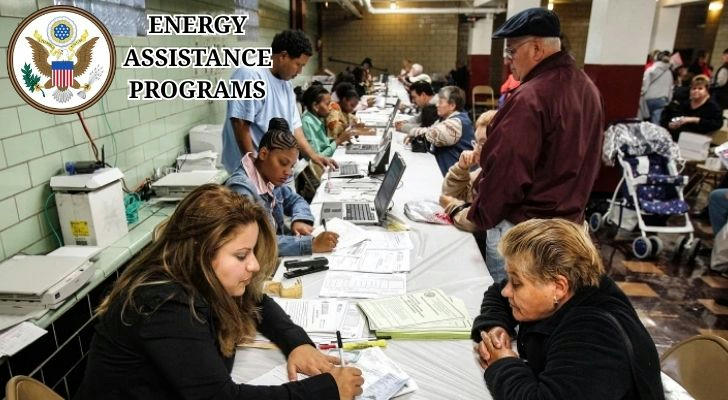
Electricity and gas suppliers play an important role in the energy assistance process. Once a household is approved through a local assistance office, funds are often sent directly to the utility provider on the household’s behalf.
Many suppliers also coordinate with state and local agencies to offer:
- Flexible payment arrangements
- Temporary protection from shutoffs during emergencies
- Referrals to additional community-based support programs
This coordination helps ensure that federal energy assistance aligns with local utility policies and customer needs.
Beyond Monthly Bills: Related Support Options
In addition to bill assistance, households may be connected to related programs that help reduce long-term energy costs. These may include referrals to energy efficiency or weatherization services that improve insulation, heating systems, or overall home energy performance.
While these services are separate from direct bill assistance, they complement utility support by helping households better manage electricity and gas use over time.
Who Can Apply? (Age Guidance)
Government-funded energy assistance programs are available to eligible households across many age groups, with eligibility based primarily on income and household circumstances rather than age alone. Common applicant groups include:
- 18–44 years: Individuals or families managing high utility costs relative to income, especially during seasonal temperature extremes.
- 45–64 years: Households balancing energy expenses with healthcare or employment transitions.
- 65+ years: Older adults on fixed incomes, who may be prioritized due to increased vulnerability to heat or cold-related risks.
There is no universal age cutoff. Eligibility is determined by household income, size, energy burden, and local program guidelines.
Older adults and low-income households are often the primary audience for government-funded energy assistance programs, as fixed incomes and rising utility costs can create financial pressure. These programs help support basic access to electricity and gas, especially during periods of extreme weather or seasonal energy demand.
How to Register
Applying for government-funded energy assistance generally involves the following steps:
- Identify the local or state energy assistance office responsible for administering programs in your area.
- Submit an application with required documentation, such as proof of income, residency, and recent utility bills.
- Await eligibility review and notification regarding available assistance.
Application methods vary by state and may include online submissions, phone appointments, or in-person visits through community agencies.
What to Expect After Approval
If approved, households may receive:
- A credit applied to their electricity or gas account
- Partial coverage of outstanding utility balances
- Time-limited support during high-cost seasons or emergencies
Assistance levels depend on funding availability, household need, and local program rules. Support is generally temporary and designed to help households regain stability.
Conclusion
Government-funded energy assistance programs play a key role in helping eligible U.S. households manage electricity and natural gas expenses. By working directly with utility suppliers and local agencies, these programs help reduce the risk of service disruption and support basic energy security.
For households facing rising utility costs, understanding how these assistance programs work — and how to apply — can be an important step toward maintaining safe and reliable access to essential energy services.
⚡ Staying informed and applying early can make a meaningful difference during periods of high energy demand.