
⚡ Government-Funded Energy Assistance and Disaster Support Programs
Managing energy costs and recovering from natural disasters can be challenging for many households across the United States. To address these pressures, several government-funded assistance programs exist to help eligible individuals and families maintain essential utilities and recover after emergencies. These programs focus on energy stability, housing safety, and disaster recovery support, especially during periods of extreme weather or economic stress.
A Structured Safety Net for Energy and Disaster Needs
Federal energy and disaster assistance programs are designed to provide temporary, needs-based support rather than long-term subsidies. They are administered through partnerships between federal agencies, state governments, tribal authorities, and local organizations.
Two of the most widely referenced programs are:
- The Low Income Home Energy Assistance Program (LIHEAP)
- FEMA disaster assistance programs activated after federally declared disasters
Each serves a different purpose but works toward the same goal: helping households maintain basic living conditions during hardship.
Energy Assistance Through LIHEAP
LIHEAP is a federally funded program that supports households struggling with home energy costs. Funds are allocated to states, territories, and tribal governments, which then manage local assistance programs based on regional needs.
The program primarily supports:
- Heating and cooling cost assistance
- Energy-related crisis support during extreme weather
- Limited energy-efficiency or safety-related home improvements
Eligibility is generally based on household income, size, and energy burden, with priority often given to older adults, families with young children, and individuals with disabilities.
Rather than covering full utility costs, LIHEAP assistance typically offsets a portion of energy expenses or helps prevent service interruptions during critical periods. Benefit amounts and application processes vary by state.
Disaster Support Through FEMA Programs
When natural disasters such as hurricanes, floods, wildfires, or earthquakes occur, the federal government may authorize disaster assistance through FEMA following a presidential disaster declaration.
One of the main programs available to individuals is FEMA’s Individuals and Households Program (IHP), which can support disaster-affected residents with:
- Temporary housing or rental assistance
- Essential home repairs
- Replacement of basic household necessities
- Other disaster-related needs not covered by insurance
FEMA assistance is needs-based and situation-specific, and eligibility depends on factors such as the severity of damage, insurance coverage, and disaster designation.
Additional FEMA-coordinated services may include crisis counseling, disaster unemployment assistance, and legal aid referrals, depending on the scope of the event.
How Energy and Disaster Programs Intersect
Energy assistance and disaster support often overlap during extreme weather events. For example, a severe winter storm may disrupt utilities while also causing structural damage to homes.
In these situations:
- LIHEAP-related support may help stabilize energy access
- FEMA programs may assist with housing or emergency needs
Coordination between federal and state agencies helps ensure households can apply for multiple forms of assistance when appropriate, without duplicating benefits.
Who These Programs Are Designed For
These government-funded energy and disaster assistance programs are available to eligible individuals across a wide range of age groups. While there is generally no strict age limit, certain age groups may receive priority consideration based on household needs:
18–44 years: Individuals or families facing income pressure, energy cost burdens, or disaster-related displacement may qualify if eligibility requirements are met.
45–64 years: Often includes households managing rising living costs or health-related energy needs.
65+ years: Older adults, especially those on fixed incomes, are commonly prioritized due to higher vulnerability during extreme weather or emergency situations.
Eligibility is determined by household circumstances rather than age alone, with income level, living conditions, and emergency status playing a central role.
How to Apply for Assistance
Application methods depend on the type of support:
For energy assistance (LIHEAP):
- Applications are handled at the state or local level
- Residents typically apply through designated community agencies or state offices
For disaster assistance (FEMA):
- Applicants must register after a disaster declaration
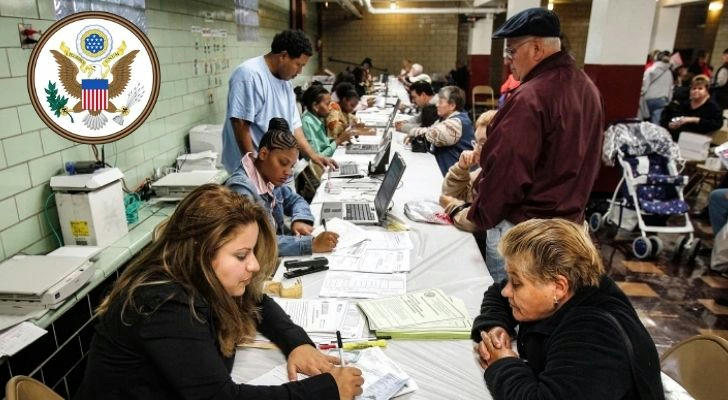
- Registration is completed online, by phone, or through disaster recovery centers
Timelines, documentation requirements, and benefit availability may differ by location and situation.
What to Expect After Approval
Approved applicants may receive:
- Direct payments to utility providers
- Temporary housing or rental assistance
- Reimbursements or grants for essential needs
Assistance is generally limited in scope and duration, intended to help households stabilize rather than provide ongoing support.
Conclusion
Government-funded energy assistance and disaster support programs play an important role in helping U.S. households navigate periods of financial strain, extreme weather, and unexpected emergencies. Through structured eligibility systems and local administration, these programs aim to provide targeted support where it is most needed.
For individuals facing high energy costs or recovering from a declared disaster, understanding how these programs work — and how to apply — can be an important step toward restoring stability and safety.
⚡ Staying informed about available assistance options can help households respond more effectively when challenges arise.